Island Metals
  • Home
  • Promotion
  • Products
    • Metal Roofing
    • Custom Trim
    • Roofing Accessories
    • Custom Metal Buildings
    • Solar Panels for Metal Roofing
  • Rewards Program
    • Referral Program
  • Installation
    • Installation Videos
  • Financing
    • Pricing
  • Contact Us
  • Inter Island
  • Property Management
  • Insulation
  • Warranty
  • Employment
  • Blog
  • Metal Roofing Info
    • History of Metal Roofing
  • FAQ
  • About

Island Metals - Blog

Top 10 Myths About Metal Roofs: Debunking Common Misconceptions

7/24/2026

0 Comments


An educational guide for Hawaii homeowners comparing metal roofing myths with modern roofing facts.

​Metal roofs in Hawaii have surged in popularity for their durability, energy efficiency, and sleek aesthetics. Yet, despite their growing appeal, myths and misconceptions persist, causing homeowners to hesitate. Let’s clear the air by debunking the top 10 myths about owning a metal roof, backed by facts and industry insights.
1. Metal Roofs Attract Lightning
Myth: A metal roof will turn your home into a lightning magnet.  
Truth: This is one of the oldest misconceptions. Metal roofs don’t attract lightning any more than asphalt shingles or tiles do. This is a persistent myth, but it has been thoroughly debunked by experts including the National Weather Service (NWS), the Metal Construction Association (MCA), and lightning safety researchers.
Picture
How lightning actually works
Lightning is a massive electrical discharge that seeks the path of least resistance from a thundercloud to the ground. It typically strikes the tallest object, the sharpest/pointiest object, or the most isolated object in a given area. Key factors that influence where lightning strikes (according to the NWS):
  • Height (taller objects are more likely)
  • Pointy shapes (they concentrate electric fields)
  • Isolation (standing alone in an open area)
The roofing material has no bearing on this. 
Trees, mountains, wooden barns, and asphalt-shingled houses get struck by lightning all the time — none of which are made of metal.

Why the myth exists
People often confuse two different things:
  • Lightning rods (air terminals) are made of metal and placed at the highest points of buildings. They work because of their position and shape, not because metal “attracts” lightning. Their job is to intercept a strike and safely conduct the massive current into the ground.
  • Metal is an excellent electrical conductor. This leads to the mistaken assumption that it must therefore “pull” lightning toward it, like a magnet.
In reality, metal does not attract lightning. It simply provides a low-resistance path if lightning happens to strike the structure. 

What happens if lightning strikes a metal roof?
A metal roof is often safer than many other roofing materials if a strike occurs:
  • Metal is highly conductive, so the electrical energy spreads across a larger area instead of concentrating and generating extreme heat in one spot.
  • Metal is non-combustible, unlike wood, asphalt shingles, or other organic materials that can easily catch fire.
  • A properly installed and grounded metal roof can help channel the current toward the ground with less risk of side flashes or structural damage inside the building.
This is similar to why you’re relatively safe inside a car during a thunderstorm — the metal body (not the rubber tires) conducts the electricity around the occupants and into the ground.

What authoritative sources say
  • National Weather Service states, “The presence of metal makes absolutely no difference on where lightning strikes… Natural objects that are tall and isolated, but are made of little to no metal, like trees and mountains get struck by lightning many times a year.” 
  • Metal Construction Association (Technical Bulletin on Lightning Strikes and Metal Roofing): Roof material does not influence the probability of a strike. A metal roof is no more or less likely to be struck than any other type. When properly grounded, it can actually reduce fire risk because it conducts energy over a broader area with less heat buildup. 
  • Multiple metal roofing industry sources and engineering analyses reach the same conclusion.

Bottom line
  • A metal roof does not increase your risk of being struck by lightning compared to any other roof on the same building.
  • In the event of a strike, a metal roof is frequently one of the better options because it is conductive and non-combustible.
  • For maximum protection (especially on tall buildings, isolated structures, or in high-lightning areas), consider a professionally designed lightning protection system (LPS) that meets NFPA 780 standards. This applies regardless of roof type.
The myth likely stems from a misunderstanding of conductivity versus attraction. Metal roofs are chosen in many lightning-prone regions precisely because they perform well in severe weather — including storms that bring lightning.

2. Metal Roofs Are Noisy
Myth: Rain on a metal roof sounds like a rock concert.  
Truth: Modern metal roofs are not the tin sheds of yesteryear. The perception that metal roofs are louder than asphalt shingles isn't always accurate. While it's true that a basic, uninsulated metal sheet can be noisy when rain or hail hits it, modern residential metal roofing systems are typically installed with several layers that significantly reduce noise. Many homeowners often report no noticeable difference in noise compared to asphalt shingles. Say goodbye to the drum solo stereotype.
Picture
Why modern metal roofs are quieter than expected
  • Roof Decking: Most houses, especially those that previously had shingles, have solid plywood or OSB (Oriented Strand Board) roof deck. This solid layer helps to dampen sound.
  • Underlayment: Materials like synthetic felt or rubberized asphalt are installed over the decking and under the metal. Island Metals offers SharkSkin Ultra SA® underlayment that provides an all-weather barrier. The main advantage to this underlayment is acting against condensation and water infiltration providing self-seals around roofing screws, nails, and clips to keep water out of even the smallest openings. In addition, this provides another layer of insulation and sound dampening.
  • Insulation: Attic insulation acts as a significant sound barrier, absorbing and reducing noise transmission into the home. In addition, Island Metals offers reflective insulation. This double bubble foil insulation is like underlayment where it is installed over the decking and under the metal and is one of the best ways to reduce 96% radiant heat transfer on metal roofing and siding making it the perfect choice for Hawaiian homes and commercial projections.
  • Installation Over Existing Shingles: In some cases, metal roofs can be installed directly over an existing layer of asphalt shingles. This adds another sound-dampening layer.

Decibel levels
According to research from the Acoustic Group at the University of Lulea in Sweden, there is not much of a difference in noise levels between metal roofs and asphalt shingles when it rains. Rain over a metal roof is measured at 52 decibels (dBA), but rain on asphalt shingles is recorded at roughly 46 dBA. The modest noise difference with metal roofs is often undetectable, demonstrating that they are not significantly noisier. Humans often cannot hear sound variations below eight decibels
What can make a metal roof louder?
  • Installation without proper underlayment or insulation: Metal roofs installed directly on framing, like in some barns or sheds, will be much louder.
  • Loose fasteners: If the metal panels aren't properly secured, they can vibrate and create noise in wind or rain.
  • Corrugated metal: The design of corrugated metal can sometimes lead to more noise compared to flat or standing seam panels.

Bottom line
A properly installed metal roof on a residential home with adequate decking, underlayment, and insulation is generally no louder than an asphalt shingle roof. In some cases, it can even be quieter. If you're concerned about noise, discuss installation methods and soundproofing options with your roofing contractor or Island Metals your metal roofing supplier in Hawaii.

3. Metal Roofs Rust Easily
Myth: Metal roofs are doomed to rust within a few years.  
Truth: Today’s metal roofs are built to last, thanks to advanced coatings like galvanized steel, aluminum, or Galvalume. These materials resist corrosion for decades with minimal care. The frequency with which metal roofs rust depends heavily on the type of metal used and the protective coatings applied. Here's a breakdown:
Metals that resist rust
  • Aluminum: Aluminum is naturally rust-resistant and highly corrosion-resistant, especially in coastal environments with salt spray. Aluminum roofs can last for 40-60 years or even longer with proper maintenance.
  • Copper: Copper is also naturally corrosion resistant. It develops a beautiful green patina over time, which is a protective layer. Copper roofs are known for their exceptional longevity, often lasting 80-100 years or more.
  • Zinc: Like copper, zinc is highly resistant to rust and corrosion. It develops a patina (usually blue gray) that protects metal. Zinc roofs can last 60-100 years.

Metals that need protective coatings
  • Steel: Steel contains iron, which can rust when exposed to oxygen and moisture. However, modern steel roofing is treated with protective coatings to prevent or significantly delay rusting:
    • Galvalume Steel: This coating is a combination of aluminum, zinc, and silicone, offering excellent corrosion and rust resistance. Galvalume roofs also have a lifespan of 30-70 years or more.
    • Galvanized Steel: Carbon steel is coated with a layer of zinc to protect it from rust. Galvanized steel roofs can last 30-70 years, depending on the thickness and quality of the zinc coating and environmental conditions.
    • Weathering Steel (Corten): This is a special type of steel intentionally designed to rust on the surface, forming a stable, rust-like layer that protects the underlying steel from further corrosion. This "rusting" is part of its intended performance and aesthetics.

What influences rust risk?
  • Quality of Coatings: High-quality coatings and proper application are crucial for preventing rust on steel roofs.
  • Environmental Conditions: Coastal areas with salt air, areas with high humidity, and industrial areas with airborne pollutants can accelerate corrosion. Choice of metal and coatings are necessary to combat most of these factors.
  • Scratches and Damage: Any scratches or damage to the protective coatings can expose the bare metal and lead to rust. Proper installation is essential to avoid damaging the coatings.
  • Maintenance: Regular cleaning to remove debris and prompt repair of any scratches or damage can help prevent rust.

Bottom line
  • Aluminum, copper, and zinc roofs are naturally highly resistant to rust and corrosion.
  • Steel roofs rely on protective coatings like galvanization or Galvalume to prevent rust for many decades. Rust is unlikely to be a frequent issue if these coatings are intact and the roof is properly maintained.
Therefore, a well-chosen and properly installed metal roof made of suitable material with appropriate coatings should not rust frequently and can last for decades. Any rust that does occur is usually a result of damage to the protective layer or the use of a non-rust-resistant metal without proper treatment.

4. Metal Roofs Are Too Expensive
Myth: Metal roofs break the bank and are not worth the cost.  
Truth: The myth that metal roofs are "too expensive" stems from their higher upfront cost compared to asphalt shingles—but it ignores the full picture of lifetime ownership costs, durability, and savings. When you factor in lifespan, avoided replacements, lower maintenance, energy efficiency, insurance discounts, and resale value, metal roofs are often the more cost-effective choice for homeowners who plan to stay in their home 15+ years.

Upfront cost reality
Metal roofs do cost more initially:
  • Asphalt shingles: Typically, $3–$6 per square foot installed (average $8,000–$15,000 for a typical 2,000 sq ft home). 
  • Metal roofs: Typically, $5–$16 per square foot installed (often $15,000–$35,000+ for the same home, depending on material like steel standing seam or aluminum). 
This is the main source of the myth.

Lifespan changes the math
  • Metal roofs: 30–80 years (often 50+ with quality installation and coatings). 
  • Asphalt shingles: 15–30 years (typically 20–25 years in real-world conditions).
Over 50 years, you’ll likely install one metal roof versus two or three shingle roofs. Each shingle replacement adds tear-off/disposal costs, labor, inflation, and disruption.

Real-world 30-year cost comparison
Here’s a clear example from a detailed analysis (Mid-Atlantic region, architectural shingles at $10k initial vs. standing seam steel at $20k initial): 
Table: 30-year ownership cost comparison.
Picture
  • Break-even: Around 15–20 years when including energy savings (or 25–28 years on direct costs alone).
  • After break-even, metal provides net savings for the rest of its life.
Other analyses show similar or better results for metal over 50 years when including inflation on repeated replacements. 

Extra savings that add up
  • Energy efficiency: Metal roofs (especially light-colored or with cool-roof coatings) reflect 60–84% of solar heat versus shingles absorbing most of it. This typically reduces cooling costs by 10–25% (sometimes up to 40% in very hot climates), or hundreds of dollars per year. 
  • Maintenance: Metal requires very little (occasional inspections). Shingles need more frequent repairs for granule loss, curling, moss, wind damage, etc.
  • Insurance discounts: Many insurers offer 5–35% lower premiums (often 10–25%) for Class 4 impact-rated metal roofs due to superior wind, hail, and fire resistance. This can mean $200–$700+ annually saved, depending on location and carrier. 
  • Resale value: Metal roofs often recover 85–95% of cost (vs. up to ~70% for shingles in some reports) because buyers value the remaining decades of life and low maintenance. 

When metal makes the most sense
  • You plan to stay in the home for 15+ years.
  • You live in areas with hail, high winds, heavy snow, or extreme heat.
  • You value lower long-term hassle and predictable costs.
Shingles can still make sense if you're on a tight budget, planning to sell soon (within ~10 years), or simply can't afford the higher initial outlay.

Bottom line
The idea that metal roofs are "too expensive" is a short-term myth. For most long-term homeowners, the higher upfront price is more than offset by avoiding multiple replacements, lower maintenance, energy savings, insurance discounts, and better durability. In many cases, metal roofs deliver a lower total cost of ownership over 30–50 years while providing superior performance and peace of mind.

If you're considering a roof replacement, get quotes for both options and run the numbers based on your expected time in the home, local climate, and insurance situation. Math often favors metal more than the sticker price suggests.

And for a limited time Island Metals has partnered with Hearth to offer 0% APR financing for your new metal roof.

5. Metal Roofs Get Too Hot
Myth: Metal roofs turn your home into an oven in summer.  
Truth: Modern metal roofs use reflective coatings to deflect sunlight, and proper ventilation keeps heat in check. Many of these modern metal roofs keep your home cooler than standard roofing materials and can even reduce cooling costs based on its Solar Reflectance Index (SRI) and Cool Roof techniques explained below. Meanwhile, your home stays comfortable, and your energy bill might thank you.

People often assume metal roofs absorb more heat because they can get very warm under direct sunlight. While it’s true that any roof surface - including metal - will heat up when exposed to the sun, the real story is more nuanced. Beginning with a cool roof. “A cool roof is one that strongly reflects sunlight (solar energy) and also cools itself by efficiently emitting any heat that was absorbed. The roof literally stays cooler and reduces the amount of heat conducted into the home or building below. If the home or building does not have air conditioning, this keeps the home or building cooler and at a more constant temperature. If the home has air conditioning, the equipment does not have to work as hard.” Here are some of the factors that go into a cool roof.
  • The first factor is the solar reflection of the surface of the roof. Metal roofs, even an unpainted metal roof reflect more solar radiation than asphalt roofs. This is known as Solar Reflectance (SR). This is the fraction of solar energy that is reflected by the roof. 
  • The second factor in a cool roof is Thermal Emittance (TE). This is the relative ability of the roof surface to radiate energy back into the atmosphere.
  • Color and finish matter most. Lighter colors reflect far more sunlight than darker ones, and modern reflective coatings on metal roofs significantly reduce heat absorption. Even darker metal roofs often perform better than dark asphalt shingles.
  • All roofing materials absorb heat. Asphalt, slate, concrete, and metal all absorb solar energy at similar rates when they’re the same color. The difference lies in what happens next.​
Picture
Reflective coatings and cool roof technology
Many modern metal roofs feature high-performance coatings, such as Kynar 500® systems that dramatically increase solar reflectivity. These “cool roof” designs bounce a large percentage of sunlight away before it can turn into heat. As a result:
  • Less heat is absorbed overall.
  • ​Cooling costs drop, especially in hot climates.
  • Homes stay more comfortable with less reliance on air conditioning.
Even dark-colored metal roofs with proper coatings usually outperform standard asphalt shingles in terms of keeping a home cooler. Island Metals only uses Kynar 500® color coatings. 

Why metal roofs cool down faster
Metal has low thermal mass, meaning it doesn’t store or hold onto heat the way denser materials like concrete, slate, or asphalt shingles do. 
  • A bare metal roof might reach around 145°F on a hot day, while black asphalt shingles can climb as high as 168°F.
  • Once the sun goes down or moves behind clouds, metal roofs cool down much faster than heavier materials. Asphalt and concrete retain heat longer and continue radiating it into your home well into the evening.
This quick response to temperature changes is a major advantage in summer. Metal doesn’t act like a heat battery sitting on top of your house. 
These three factors, high Solar Reflection (SR), high Thermal Emittance (TE) and low heat retention, make metal roofs a superior choice in keeping your home cooler. 

Why the full roof assembly matters
​Even the best roofing material won’t perform well if the roofing system underneath is poorly designed. The biggest factor in how much heat enters your living space is the roof assembly construction:
  • Attic ventilation is critical. A properly ventilated attic keeps temperatures close to the outside air, protecting your ceiling insulation from excessive heat buildup.
  • Insulation quality and quantity in the ceiling (or directly under the roof) makes a huge difference. Good insulation prevents whatever heat does reach the attic from transferring into your rooms. 
  • BONUS: Reflective Insulation that sit on top of your roof and under the metal panels reflecting heat before it even gets into the attic – Island Metals offers one of the best ways to reduce 96% radiant heat transfer on metal roofing and siding, making it the perfect choice for Hawaiian homes and commercial projects.
Picture
Picture
If you want to test where heat is coming from in your home, use a simple digital thermometer to compare ceiling, wall, and floor temperatures. You might be surprised to find the ceiling isn’t the main culprit—warm air often rises and accumulates from other sources via convection.

Bottom line
Metal roofs can help you stay cooler. A metal roof doesn’t make your home hotter in the summer. Thanks to low thermal mass, fast cooling, high reflectivity options, and smart system design, metal roofing often contributes to a cooler, more energy-efficient home. 

Beyond temperature control, metal roofs offer outstanding durability, longevity, and protection against extreme weather - making them a smart long-term investment that pays off in comfort and energy savings.

If you’re tired of replacing shingles every 15–20 years and want a roof that performs better in Hawaii’s almost full-time sun, wetter times and even in stormy weather, metal roofing deserves serious consideration.

6. Metal Roofs Are Hard to Install
Myth: Installing a metal roof is a logistical nightmare.  
Truth: The myth that metal roofs are hard to install is overstated and largely debunked by roofing experts, manufacturers, and real-world examples. It's often rooted in unfamiliarity—most contractors are far more experienced with asphalt shingles, so metal feels "specialized"—but the process is straightforward, efficient, and in many cases faster than traditional roofing. 

Why installation is more straightforward than expected
Modern metal roofing systems (especially exposed-fastener/corrugated panels or metal shingles) use large pre-formed panels that cover big areas quickly, snap or screw into place, and often install directly over existing shingles with furring strips or underlayment. This skips the messy, time-consuming tear-off and disposal required for a full shingle replacement. 
  • Speed: Professional crews frequently finish in 1–3 days (sometimes a single day for panels on simple roofs). Some installers report metal taking just ⅓ to ½ the time of a comparable shingle job. 
  • Simplicity for pros: Experienced teams use manufacturer guides, precise tools, and training. Steps like panel alignment, fastening, flashing, and ridge cap installation follow clear, repeatable processes. 
DIY is very doable for simpler screw-down or exposed-fastener systems on basic roofs. Homeowners and YouTube tutorials routinely succeed with basic tools, and forums are full of success stories. Standing-seam systems are more precise (they often need a seamer tool), but even those have accessible guides. Island Metals have compiled a series of YouTube tutorials to assist those DIYer’s. 
Picture
Why the “hard to install” perception persists
  • It’s different, not harder: Metal requires attention to detail on flashing, overlaps, and expansion gaps to prevent leaks—shingles are more forgiving in their overlaps. A bad install (from an inexperienced crew) gets blamed on the material, not the workmanship.
  • Specialized skills: Not every general roofer does metal daily, so they call it complex or charge more. But dedicated metal roofers treat it as routine.
  • Type matters: Corrugated or metal-shingle styles are especially easy. Standing seam is more technical but still efficient for trained crews.

Bottom line
Metal roofs are engineered for fast, reliable installation with modern materials and techniques. The process is often quicker and cleaner than a full shingle replacement, especially when going over an existing roof. Hire experienced metal specialists (or tackle a simple DIY if you’re handy), and you’ll see why so many call this myth busted. If you’re considering one, get quotes from metal-focused crews—they’ll show you how straightforward it really is.

7. Metal Roofs Don’t Suit All Homes
Myth: Metal roofs only look good on modern or industrial-style houses.  
Truth: The myth that metal roofs only look good on modern or industrial-style houses is completely false - and it's based on outdated stereotypes from decades ago. Today's metal roofing systems are engineered for stunning versatility, with profiles, colors, and textures that complement every architectural style, from historic Victorians and Colonials to cozy farmhouses, Tudors, Mediterranean villas, and beyond. They don't just "work" they often elevate a home's curb appeal while delivering decades of low-maintenance beauty. The misconception likely stems from old-school corrugated metal panels used on barns or warehouses in the mid-20th century, which had a utilitarian, industrial vibe. But modern metal roofs have evolved dramatically. They come in standing seam (sleek and clean), metal shingles, simulated slate, wood shake, or clay tile profiles. You can choose any color under the sun, and many are designed to mimic traditional materials so convincingly that you'd never guess their metal. 

How metal roofs work with classic and traditional homes
Far from being limited to contemporary designs, metal roofing has been used on residential architecture for over 150 years and pairs beautifully with historic styles. Taking a closer look at the 15 most popular roof types, styles and their characteristics show the metal can be a great option for new or existing homes. Manufacturers now offer profiles that replicate the look of wood shakes, slate, or asphalt shingles while adding superior durability.

Below are original images generated with Grok Imagine that show how beautifully metal roofs can work on different types of homes. Below each image are links to real-world inspiration for that style of homes.
Picture
Historic stone and Victorian homes
​
Elegant and timeless — metal roofs add a polished, heritage-friendly finish without clashing with ornate details.
​
This Old House – Metal Roof Styles
Picture
Colonial homes
Classic symmetry and traditional details pair beautifully with clean metal roofing in coordinating colors.
​
Metal Colonial Style Houses
​
Picture
Cape Cod homes 
Classic symmetry and traditional details pair beautifully with clean metal roofing in coordinating colors.
​
Pinterest – Colonial with Metal Roofs​

Picture
Farmhouse and rustic styles
​
Metal roofing enhances the warm, welcoming character of farmhouse homes while offering superior durability and low maintenance.
​
Farmhouse Metal Roof examples
Picture
Mediterranean and Spanish-style homes
​
A terracotta or warm-toned metal roof perfectly captures the authentic look of traditional clay tile while providing much better performance and longevity.
Houzz – Mediterranean with Metal Roofs

Picture
Tudor and cottage homes
​
Standing seam metal roofing adds refined texture and character while respecting the historic charm of Tudor and cottage architecture.
​
Pinterest – Cottage with Metal Roofs

Bottom line
Experts and roofing pros confirm this across the board: metal roofing isn't style-specific - it's designed to enhance traditional, hybrid, and modern homes alike, from Cape Cod colonials to coastal craftsman bungalows. 

In short, if you're worried a metal roof will make your home look "out of place," the evidence says otherwise. It suits all homes beautifully—and often makes them look even better. The only real question is which style and color will make your house stand out.

8. Metal Roofs Block Wi-Fi and Cell Signals
Myth: A metal roof will tank your internet and phone reception.  
Truth: This tech-age fear is unfounded. Metal roofs don’t significantly disrupt Wi-Fi or cell signals, as those waves enter through windows and walls. Metal Construction News confirms that properly installed metal roofs won’t leave you in a digital dead zone.

The science behind the myth
Metal is conductive and reflects electromagnetic (radio) waves, which is the basis of the Faraday cage principle: a fully enclosed conductive shell can block external electromagnetic fields. However, a residential metal roof is not a Faraday cage. It covers only the top of the structure, with gaps, seams, vents, and—most importantly—non-metal walls, windows, and doors that allow signals to enter and exit freely.

Wi-Fi and cellular signals operate at frequencies (roughly 700 MHz to 5+ GHz) where wavelengths are centimeters to meters long. Thin metal roofing panels reflect some energy but do not fully block or absorb signals the way a sealed metal box would. Signals can diffract around edges, penetrate seams, or take indirect paths.

Why metal roofs do not block Wi-Fi
Wi-Fi signals are generated inside your home by the router (or mesh nodes). They travel through the air, drywall, furniture, and interior spaces to reach your devices. The roof sits above this environment and is rarely in the direct path of most indoor signal routes. Your internet connection itself usually enters via cable, fiber, DSL, or a side-mounted satellite/fixed wireless antenna—not by punching through the roof panels. A metal roof alone cannot block internal Wi-Fi unless the entire home is encased in metal (which it isn't). Router placement, walls, distance, interference from other devices, and outdated equipment have far greater impact.
Picture
Why metal roofs do not block cell signals
Cellular signals come from towers located horizontally across the landscape (or at angles), not straight down from above. They enter homes primarily through walls, windows, and doors. 
A metal roof might attenuate (weaken) signals arriving from directly overhead by reflecting or absorbing some energy, but this is a minor factor in most cases. Modern cellular networks use multiple frequencies, beamforming, and resilient technologies designed to penetrate building materials.

Real-world proof: You get cell service inside metal cars and many commercial buildings with metal elements. Millions of homes with metal roofs maintain excellent cell coverage. If metal roofs truly "blocked" signals, this wouldn't be the case.
What testing and real-world data show
  • A technical report by Ireland's communications regulator (ComReg) on building materials and indoor radio propagation (400 MHz–2.2 GHz, covering cellular bands) found that roofing materials had only a small effect overall. Concrete roof tiles caused roughly 5 dB attenuation at higher frequencies—minor compared to foil-backed insulation (up to 60 dB) or metal-framed/triple-glazed windows (up to 45 dB). Roofing was not a significant contributor to signal loss. 
  • Industry sources (including the Metal Roofing Alliance) consistently state that any impact from metal roofs is negligible in practice. Connectivity issues are far more often due to weak outdoor coverage, distance from towers, router/modem problems, or other building materials. 
  • Some measurements suggest metal roofs can contribute 10–20 dB of additional loss in certain scenarios (roughly 1–2 signal bars), but this depends heavily on baseline signal strength, roof profile, insulation, and other factors. It is rarely the primary cause of problems and does not create dead zones.
In marginal coverage areas (e.g., rural locations far from towers), a metal roof could make an already weak signal slightly worse when combined with other attenuating materials—but the same applies to any roof or building in those conditions.

Bottom line
Metal roofs do not block Wi-Fi or cell signals in any meaningful, prohibitive way for the vast majority of homeowners. The myth likely stems from a misunderstanding of radio wave behavior and confusion with true Faraday cages or full metal structures. Metal roofs offer excellent durability, longevity (often 50+ years), energy efficiency, and weather resistance. You don't have to choose between a great roof and reliable connectivity. If you experience signal issues after installing (or while considering) a metal roof:
  • Optimize router/modem placement (central, elevated, away from interference).
  • Use a mesh Wi-Fi system or Wi-Fi extenders.
  • Enable Wi-Fi calling on your phone.
  • Consider a cellular signal booster with an external antenna (very effective for weak areas).
  • Check for other culprits like foil insulation or Low-E windows.
In short, the "metal roofs kill your signals" claim is a myth. Choose the roof that best fits your needs—connectivity will be fine.

9. Metal Roofs Need Constant Maintenance
Myth: Owning a metal roof means endless upkeep.  
Truth: Metal roofs are low-maintenance champions. A quick annual inspection and occasional cleaning are usually all they need to last decades. This is a persistent myth, often rooted in outdated images of old galvanized barns or poorly installed systems from decades ago. Modern metal roofs’ resilience to weather and wear means less hassle for homeowners compared to traditional materials.

The reality: low maintenance, not no maintenance
Metal roofs are not completely maintenance-free (almost nothing on a house is), but the required care is minimal, infrequent, and straightforward compared to asphalt shingles, wood shakes, or tile. Most tasks are preventive, quick, and can often be done from the ground or with basic tools.

What maintenance actually involves
Here’s what homeowners and roofing professionals typically recommend:
  • Inspections — Once or twice a year (spring and fall) plus after major storms. Look for loose fasteners, debris buildup, damaged flashing, or sealant issues around vents and chimneys. Many checks can be done visually from the ground.
  • Debris removal — Clear leaves, branches, and pine needles from valleys and the roof surface as needed (often just once a year or after heavy leaf season). This prevents moisture from pooling.
  • Gentle cleaning — Occasional rinsing or mild soap + soft brush to remove dirt or stains. The smooth surface sheds most grime naturally with rain. Avoid harsh chemicals or abrasive tools.
  • Fastener checks (mainly on screw-down systems) — Tighten or replace rubber washers every 5–15 years. Standing seam roofs (the premium residential choice) use hidden clips and need almost none of this.
  • Minor touch-ups — Promptly paint over any deep scratches to protect the coating (rare with proper installation).
That’s essentially it. There is no regular painting, recoating, moss/algae scraping, or frequent repairs required.
Modern standing seam metal roofs look great and stay that way with very little effort.

Why the myth exists
Older metal roofs (basic galvanized steel with minimal coating) could rust or need more attention. Today’s systems use advanced protective coatings like Galvalume (aluminum-zinc alloy) or high-performance paints (such as PVDF – Kynar 500) that are engineered to last decades.
  • These coatings resist corrosion, fading, chalking, and UV damage extremely well.
  • Field studies and manufacturer data show service lives of 40–70+ years (sometimes longer for aluminum or copper).
  • The smooth, non-porous surface naturally resists moss, algae, mold, and granule loss — problems that plague asphalt shingles.
Picture
Occasional debris clearing (like the leaves shown here) is one of the most common “maintenance” tasks — and it’s quick and easy.
The above original image was generated with Grok Imagine that shows how some debris will fall on metal roofs. Here is the real-world inspiration for this kind of debris here in Hawaii.

Metal roofs vs. asphalt shingles
Table: Maintenance comparison by roof type.
Picture
Metal roofs avoid the constant small repairs and eventual full replacements that shingles demand.

Long-term perspective
Over 30–50 years, metal roofs usually cost less overall in maintenance and replacements despite a higher upfront price. Many sources note significantly lower lifecycle costs and fewer interventions.

How to keep maintenance minimal
  • Choose a standing seam system with quality coatings and professional installation.
  • Trim overhanging tree branches (prevents scratches and debris).
  • Ensure good attic ventilation and proper drainage.
  • Address any issues promptly (most are minor when caught early).

Bottom line
The idea that metal roofs mean “a lot of maintenance” is outdated and overstated. With modern materials and proper installation, they are one of the most hands-off, durable roofing choices you can make — often requiring less attention than almost any other common material while lasting far longer. If you’re thinking about a metal roof, talk to a reputable local installer about standing seam options for your climate. The peace of mind and long-term performance are excellent.

10. Metal Roofs Dent Easily
Myth: Hail or falling branches will leave your metal roof looking like a golf ball.  
Truth: The myth that metal roofs dent easily is overstated and often misleading. Quality metal roofing—particularly modern standing seam systems made from properly gauged steel—is far more impact-resistant than the stereotype suggests. While dents can occur in extreme conditions, they are typically cosmetic and do not compromise the roof’s performance, unlike damage to other common roofing materials.

Why the myth persists
The perception often stems from:
  • Thin, low-cost metal panels (e.g., 29-gauge agricultural or budget corrugated sheets).
  • Comparisons to car hoods (made of much softer, thinner steel).
  • Visible cosmetic dents after rare severe hail events.
  • Misinformation from storm-chasing contractors pushing unnecessary replacements.
Residential metal roofs use thicker, stronger materials engineered for durability.

Why gauge matters
Gauge is counterintuitive: lower numbers mean thicker, stronger metal.
Table: Metal roofing gauge and dent resistance.
Picture
A 24-gauge panel is significantly stiffer and more impact-resistant than thinner options. Many experts recommend 24-gauge standing seam for maximum durability in storm-prone regions. 

Impact testing standards
Metal roofing undergoes standardized impact testing under UL 2218 (Impact Resistance of Prepared Roof Covering Materials). Panels are rated Class 1–4, with Class 4 being the highest.
  • Class 4 systems must withstand a 2-inch steel ball dropped from 20 feet without cracking or puncturing.
  • Many quality standing seam metal roofs (especially 24-gauge) achieve Class 4 ratings.
Real World Testing on 26 and 24 Gauge Standing Seam: https://youtu.be/8_u4d0qe7as?si=6MBBzN_qoYVA-uRo

Real-world hail performance
  • Typical/average hailstorms: Usually cause little to no visible damage on quality metal roofs.
  • Moderate hail (up to ~1–1.5"): Often leaves no marks or only minor cosmetic dimpling.
  • Severe/large hail (2"+): Can cause dents, but these are almost always cosmetic—they rarely puncture panels or create leak paths.

Independent studies (including long-term field examinations and lab corrosion testing) confirm:
  • Hail dents up to 2–2.5 inches do not accelerate corrosion or shorten the roof’s service life.
  • The protective Galvalume (aluminum-zinc) coating remains intact in most cases.
  • Dents do not typically lead to functional damage (leaks or structural failure) unless seams are severely distorted. 

Even in hail-prone “Hail Alley” regions (the area where Nebraska, Colorado and Wyoming meet), properly installed metal roofs frequently survive multiple events with only aesthetic changes (or none at all). 
Real-world examples of cosmetic hail dents (still fully functional roofs) even with an extreme example and standing seam metal roof hail damage. 

Metal roofs vs. asphalt shingles in hail
This is where metal shines brightest. Asphalt shingles (even impact-rated Class 4 versions) often suffer functional damage, granule loss, and exposure of the underlying mat—which leads to leaks and full replacement.
Metal roofs usually maintain watertightness even after visible denting.
Real-world comparison after a major storm (metal roof remains intact; shingles heavily damaged).
Other durability factors
  • Installation over solid decking (plywood/OSB) dramatically improves impact resistance compared to open framing.
  • Ribbed or striated panel profiles can help hide minor dents.
  • Professional installation ensures proper fastening and thermal movement accommodation.
  • Metal roofs are also highly resistant to wind, fire, and UV degradation, with lifespans of 40–70+ years.

Bottom line
Quality metal roofs (especially 24-gauge standing seam, Class 4 rated) do not dent easily under normal or even moderately severe conditions. When dents do occur from extreme hail, they are usually cosmetic and do not affect the roof’s ability to protect your home. 
The myth ignores the engineering, testing standards, and real-world evidence that shows metal roofing as one of the most resilient options available—particularly in hail-prone areas.
If you’re considering a metal roof, prioritize:
  • 24-gauge steel (or equivalent 0.032” aluminum where appropriate)
  • UL 2218 Class 4 rating
  • Standing seam profile
  • Installation by experienced professionals over solid decking
This combination delivers excellent long-term performance and peace of mind. The “dents easily” claim simply doesn’t hold up against the facts.

Why These Top 10 Myths Persist
Many of these misconceptions stem from outdated views of metal roofing—like memories of rusty barn roofs or bare-bones installations. Today’s metal roofs are a far cry from those relics, offering advanced technology, stunning designs, and practical benefits for homeowners. By busting these myths, we hope you feel confident exploring metal roofing as a smart, stylish option.

Ready to Go Metal?
If you’re considering a metal roof, don’t let old wives’ tales hold you back. Reach out to a trusted roofing professional to discuss your options and see how a metal roof can elevate your home’s value, durability, and curb appeal. Island Metals is Hawaii’s premier metal roof manufacturer. Call 808-246-6600

*Note: Some sources may require navigating to specific articles or FAQs for detailed myth discussions.
0 Comments

Popular Metal Roof Colors and Styles for Island Homes

9/12/2025

2 Comments

 
Picture
When you picture a home in Hawaii, you probably imagine bright sunlight, lush greenery, and bold blue skies. The roof you choose plays a huge role in how your home fits into this tropical landscape. For many island homeowners, metal roofing has become the preferred choice—not only for strength and durability but also for the wide variety of colors and styles available.
At Island Metals, we’ve seen how the right roof design transforms a house into a true island home. Here are some of the most popular color and style choices across Kauaʻi and the Hawaiian Islands.

Why Color Matters in Hawaii
Metal roofing isn’t just about protection from salt air, rain, and high winds. The color you choose also affects:
  • Curb appeal: Your roof can complement plantation-style homes, modern builds, or beachside cottages.
  • Energy efficiency: Lighter shades reflect more heat, keeping homes cooler in the tropical sun.
  • Longevity of beauty: High-quality paint finishes resist fading, chalking, and corrosion, even in coastal conditions. (See how our coatings are the best in the market)

Popular Metal Roof Colors on the Islands
  1. Cool Whites & Light Grays
    • Reflect sunlight and reduce cooling costs.
    • Work well with modern homes or island-style cottages near the beach.
    • Mauna Kea White is one of our most popular colors overall because of its versatility and off-white hue that goes well with most home designs.
  2. Classic Greens
    • A favorite across Kauaʻi, blending with lush mountain backdrops.
    • Perfect for plantation-style homes and rural properties.
    • Patina Green is a favorite light green color that helps reflect sunlight and goes well with the Garden Isle background of the wonderful trees and greenery of the island,
  3. Earthy Browns & Bronzes & Reds
    • Complement wood, stone, and natural landscaping.
    • A popular choice for upcountry or mountain-view homes.
    • Tahitian Bronze is a very popular color choice because of its neutral earth tone that complements the home and surroundings.
  4. Ocean Blues
    • Inspired by Hawaii’s waters, blues create a striking look that stands out without feeling out of place.
    • Often chosen for coastal homes and homes that want to add more color.
    • Slate Gray and Regal Blue are often chosen to showcase the blue style found on many homes in Hawaii.
  5. Traditional Silvers & Galvalume
    • Offer a clean, timeless look.
    • Practical, highly reflective, and cost-effective.
    • Going natural with the metal look offers a modern yet classic feel that matches very well with many home styles in Hawaii.
Picture
Picture
Picture
Picture
Picture
Picture
Picture
Picture
Styles That Fit Island Living
  • Standing Seam Panels: Sleek, modern lines that shed heavy rain quickly. Ideal for hurricane resistance and solar panel installation. This low profile and modern look is the most popular choice on Hawaii.
  • Corrugated Panels: A classic look with wave-like ridges, widely used on both homes and agricultural buildings.  This style is often chosen to reflect the historic look and feel of Hawaiian plantation style homes but with the diversity of colors to give the right look.
  • PBR-Panel (4-Rib): Strong, practical, and cost-friendly—often chosen for carports, barns, and commercial projects. Has a similar look to Standing Seam, but easier to install and overall more cost effective, though it will have fasteners visible – screws).


Tips for Choosing Your Roof Color & Style
  • Consider your home’s surroundings: ocean, mountains, or town.
  • Think about long-term maintenance: high-quality coatings keep colors vibrant despite salt air.
  • Factor in energy efficiency: lighter colors can help reduce cooling costs year-round.
  • Look at your home’s architecture: modern homes pair well with standing seam, while plantation-style homes often shine with classic corrugated

Bringing It All Together
Choosing the right metal roof color and style is about more than looks—it’s about creating a home that reflects island living while withstanding Hawaii’s unique climate. Whether you’re building new or replacing an old roof, Island Metals is here to help you find the perfect fit.

​Ready to explore your options? Visit our Custom Metal Buildings page or stop by our Kauaʻi location to see color samples and talk with our team at 808-246-6600 or email us at [email protected]. 
2 Comments

Metal Roofing vs. Asphalt Shingle Roofing in Tropical Climates

3/26/2025

7 Comments

 
Picture
Ever wonder why there are so many different types of roofs in Hawaii, but there seems to be a dominance of metal roofs?  When it comes to roofing in tropical climates like Hawaii, homeowners and contractors often weigh the pros and cons of metal roofing versus asphalt shingles. Both options have their advantages, but in a place where sun, salt air, heavy rains, and high winds are part of daily life, choosing the right roofing material is crucial.
The Pros and Cons of Metal Roofing
Pros of Metal Roofing
✅ Durability & Longevity – Metal roofs can last 40–70 years, significantly longer than asphalt shingles, which typically last 15–30 years (sometimes much shorter due to the climate). Their resistance to rot, insects, and fire makes them ideal for tropical environments.  See our blog post about Copper and Aluminum roofs which can last hundreds of years!
✅ Weather Resistance – In hurricane-prone regions like Hawaii, metal roofing stands out for its superior wind resistance. Many metal roofs are rated for winds of 140 mph or more, making them a reliable choice during storms.  See our blog post about extreme weather and how metal roofs hold up.
✅ Energy Efficiency – Metal reflects sunlight rather than absorbing it, reducing heat buildup in homes and lowering cooling costs—a major advantage in a warm climate. Some metal roofs are even coated with reflective materials to enhance this effect.
✅ Sustainability – Made from recyclable materials, metal roofing is an eco-friendly choice. Unlike asphalt shingles, which contribute significantly to landfill waste, metal roofs can be recycled at the end of their lifespan.


Cons of Metal Roofing
❌ Higher Initial Cost – Metal roofing has a higher upfront cost than asphalt shingles. However, its longevity and energy savings often make up for the initial investment.
❌ Noise Factor – Without proper insulation, metal roofs can be noisier during heavy rain, which is common in tropical regions. However, modern installation techniques minimize this issue.
❌ Potential for Dents – While metal roofing is highly durable, softer metals like aluminum can dent from heavy debris or hail. However, many high-quality metal roofs are designed to withstand impacts.


The Pros and Cons of Asphalt Shingle Roofing
Pros of Asphalt Shingle Roofing
✅ Lower Upfront Cost – Asphalt shingles are generally more affordable than metal roofing, making them an attractive option for budget-conscious homeowners.
✅ Easier Installation & Repairs – Shingles are simpler to install and repair compared to metal roofing, which requires more expertise.
✅ Variety of Styles & Colors – Asphalt shingles come in a range of styles, offering more aesthetic flexibility for homeowners.

Cons of Asphalt Shingle Roofing
❌ Shorter Lifespan – In Hawaii’s humid and salt-laden environment, asphalt shingles tend to deteriorate more quickly, requiring replacement more often.  You may have to replace a shingle roof 3 times before replacing a metal roof.
❌ Lower Wind & Weather Resistance – Asphalt shingles are more vulnerable to wind uplift, rain penetration, and mold/mildew growth in tropical conditions. Strong storms can cause shingles to tear or blow off entirely.
❌ Heat Absorption –Shingles absorb heat, which can make homes warmer and lead to higher cooling costs in hot climates.

Why Metal Roofing is the Preferred Choice in Hawaii
While asphalt shingles remain popular nationwide, metal roofing has gained significant traction in Hawaii due to its superior weather resistance, longevity, and energy efficiency. The island environment presents unique challenges—constant UV exposure, salt-laden air that accelerates material degradation, and the potential for strong winds during hurricane season. Metal roofs stand up to these challenges better than asphalt shingles, making them a more reliable long-term investment.
Additionally, Hawaii’s focus on sustainability aligns well with metal roofing’s recyclable materials and energy-saving benefits. Homeowners looking to reduce their environmental impact and utility costs often find metal roofing to be the ideal solution.

​Conclusion
Both metal and asphalt shingle roofing have their pros and cons, but in tropical climates like Hawaii, metal roofing emerges as the preferred choice for durability, energy efficiency, and weather resistance. While the initial cost may be higher, the long-term benefits make metal roofing a smart investment for homeowners looking to protect their homes from the elements.

Email Island Metals for more info

    Want to Learn More about a metal roof in Hawaii?

Submit

Picture
Picture
Picture
7 Comments

Copper and Aluminum Metal Roofing

3/31/2020

38 Comments


Copper Roofing

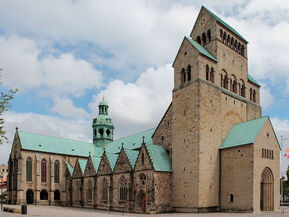
PictureHildesheim Cathedral
Copper has been used for centuries for statues, art, tools, and roofing.  There are so many examples but I just want to share a couple to illustrate the longevity and durability of copper. 

​The first great example is the Hildesheim Cathedral in Germany.  It was built in 1020 with the copper roof installed around 1280. The roof maintained it's beauty and strength until 1945 when the building was destroyed by an air raid during WWII.  665 years on a roof and I'm sure it could have lasted even longer!  Today the rebuilt church has a great copper roof with a natural aged patina that will last for another century.

Picture
Kronborg Castle
Picture
Christ Church in Philadelphia
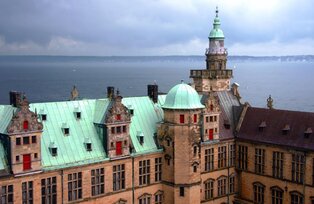
Another great example of copper roofing is the Kronborg Castle in Denmark. It was constructed in the 1420's and was expanded to the iconic castle in 1585 where it received it's copper metal roof. In 1629 much of the building was destroyed by a fire but was rebuilt. In 2009, it completed a modern restoration where part of the roof was replaced with copper. 380 years for a roof is pretty good and I'm sure it will last for hundreds of years to come.

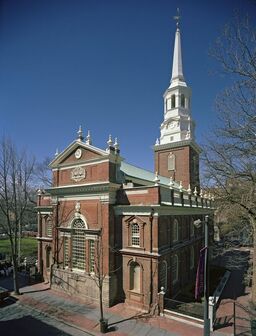
In America, there are several great examples of copper roofs lasting hundreds of years. One of the most well know is the Christ Church in Philadelphia. It was built in 1744 (32 years before the birth of our country!). The copper roof continues today with a wonderful natural green patina; over 276 years old and going strong.

There are many other great examples but I think you get the point. Copper roofs are long lasting. Unlike iron, which corrodes and rusts as it ages becoming weaker, copper doesn't corrode. As it ages, it actually undergoes a chemical change that it coats itself and goes from the shiny bright copper color to brown to black and then to an oxide-sulfate patina green. Have you looked at a new penny and a really old penny, you can see that chemical change and color change. That chemical change actually helps continue to preserve the metal and give it the long lasting characteristic that many metals do not have. This process of changing color depends on many environmental factors (rainfall, sunshine, atmospheric pollutants, etc.)
Copper Metal Roof

Aluminum Roofing

Aluminum also has a great history of success in roofing. This naturally occurring element is abundant in earth and is highly recyclable (think about soda cans). Like copper, it does not corrode and is can last an extremely long time. I'll share a couple examples of how aluminum is being used in roofing.

One of the earlier examples of aluminum being used for roofing is the Chief Secretary's Office in Sydney, Australia. The building was completed in 1880 and the dome covered in aluminum in 1896 becoming one of the earliest buildings to use aluminum this way. 124 years later and going strong. 

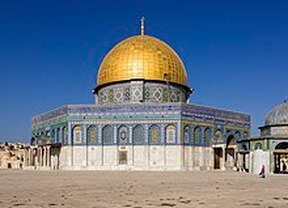
Another example is Dome of the Rock in Jerusalem, Israel. This iconic building was built around 692 and has undergone many different changes. The dome itself has been covered or painted many times over the years including gold plating. But what's better than gold, aluminum! In 1965, as part of the renovation of the building a new aluminum bronze alloy was used and then covered in gold leaf (super thin layer) which gives it the gold color appearance. Before 1959 the dome was covered in lead that turned black. A very drastic difference with aluminum creating the longevity, strength, and light weight needs of the buildings dome.

Today aluminum is manufactured in rolls (standard is 0.032 inches thick) and can be coated and painted and used in many different roofing applications. With the metal properties that don't allow aluminum to corrode, extremely long life, lower cost than copper, and flexibility to be coated/painted it is becoming a preferred metal for roofing. In coastal (near oceans, <1 mile) locations, aluminum is a choice that will endure salt air and the corrosive environment. 
Aluminum Metal Roof
Picture
Chief Secretary's Office
Picture
Dome of the Rock
38 Comments

Extreme Weather - does metal roofing hold up?

10/8/2019

72 Comments


​Metal’s Resistance to High-Wind Events

Picture
Metal Roofs are known for their durability, with warranties for 30 years and usability life of 50+ years.  But how do they perform in high wind storms like tropical storms or even hurricanes?

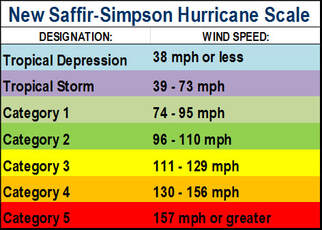
Metal roofs are designed for 120+ mph winds, with additional securing methods they can withstand winds in excess of 160 mph.  To put that into perspective, 120+ mph is like being hit with a Category 3 hurricane, and additional securing methods can go to Category 5 hurricane.  Compare that to asphalt shingles which are rate for 60-80 mph, a Category 1 Hurricane.  No wonder metal roofs are the preferred roofing in Hurricane and high wind areas of the United States.

To get the full benefit of the metal roofing you will want your contractor or installer to use the securing brackets and screws at the recommended intervals for your roof.  Going cheap on screws or brackets is one way to shorten the life and durability of your roof during high wind incidents.

Metal's Resistance to Sun, Rain, and Fire

Metal Roofs have a long history in Hawaii for a good reason, they last in our weather.  Our metal roofs are painted and coated with industry-leading ULTRA-Cool® heat reflective Kynar 500®coating, creating an energy efficient “Cool” metal roof, ideal for Hawaii’s environment.  The ULTRA-Cool® Kynar 500® paint system uses infrared reflective pigments that direct heat away from the roof, lowering the roof’s temperature, keeping the building cooler and reducing cooling costs.

This paint and coating helps protect the metal to last a long life in rainy conditions.  Corrosion occurs as water interacts with materials.  Slowing down this process helps maintain structural integrity and longevity.  No wonder metal roofs with Kynar coatings have become the industry standard and premium choice in Hawaii.  An additional benefit, metal roofs are fire resistant!  So protecting against natural fires and neighbor fires adds another level of protection for your home.

Fortunately you've come to the right place, Island Metals provides high quality metal that is coated in Kynar paint system to provide the highest protection from high-wind events, sun, rain, and fire.  Check out our selection and give us a call to see how we can provide the very best materials to last a long time in Kauai.
72 Comments

    Author

    Island Metals has been providing custom built metal roofing and supplies to contractors, builders, and homeowners on Kauai and other Hawaiian Islands for over 10+ years.

    Archives

    July 2026
    September 2025
    March 2025
    March 2020
    October 2019

    Categories

    All

    RSS Feed

© Copyright 2026 Island Metals. All rights reserved.
Island Metals 808-246-6600
​[email protected]
  • Home
  • Promotion
  • Products
    • Metal Roofing
    • Custom Trim
    • Roofing Accessories
    • Custom Metal Buildings
    • Solar Panels for Metal Roofing
  • Rewards Program
    • Referral Program
  • Installation
    • Installation Videos
  • Financing
    • Pricing
  • Contact Us
  • Inter Island
  • Property Management
  • Insulation
  • Warranty
  • Employment
  • Blog
  • Metal Roofing Info
    • History of Metal Roofing
  • FAQ
  • About